It may be confusing to establish a brand on Facebook in 2026. You might be posting regularly and creating valuable content, but may be wondering why the growth is sluggish.
You may need to think about engagement as the likely cause.
Likes, shares, and comments might seem unproblematic on the surface, but they dramatically influence how both people and the platform’s algorithm react to your brand.
This post shows why Facebook engagement is still important. It also looks at how the brands ought to go about engagement in a safe and realistic manner.
Page Contents
Why Engagement is a Social Proof on Facebook?
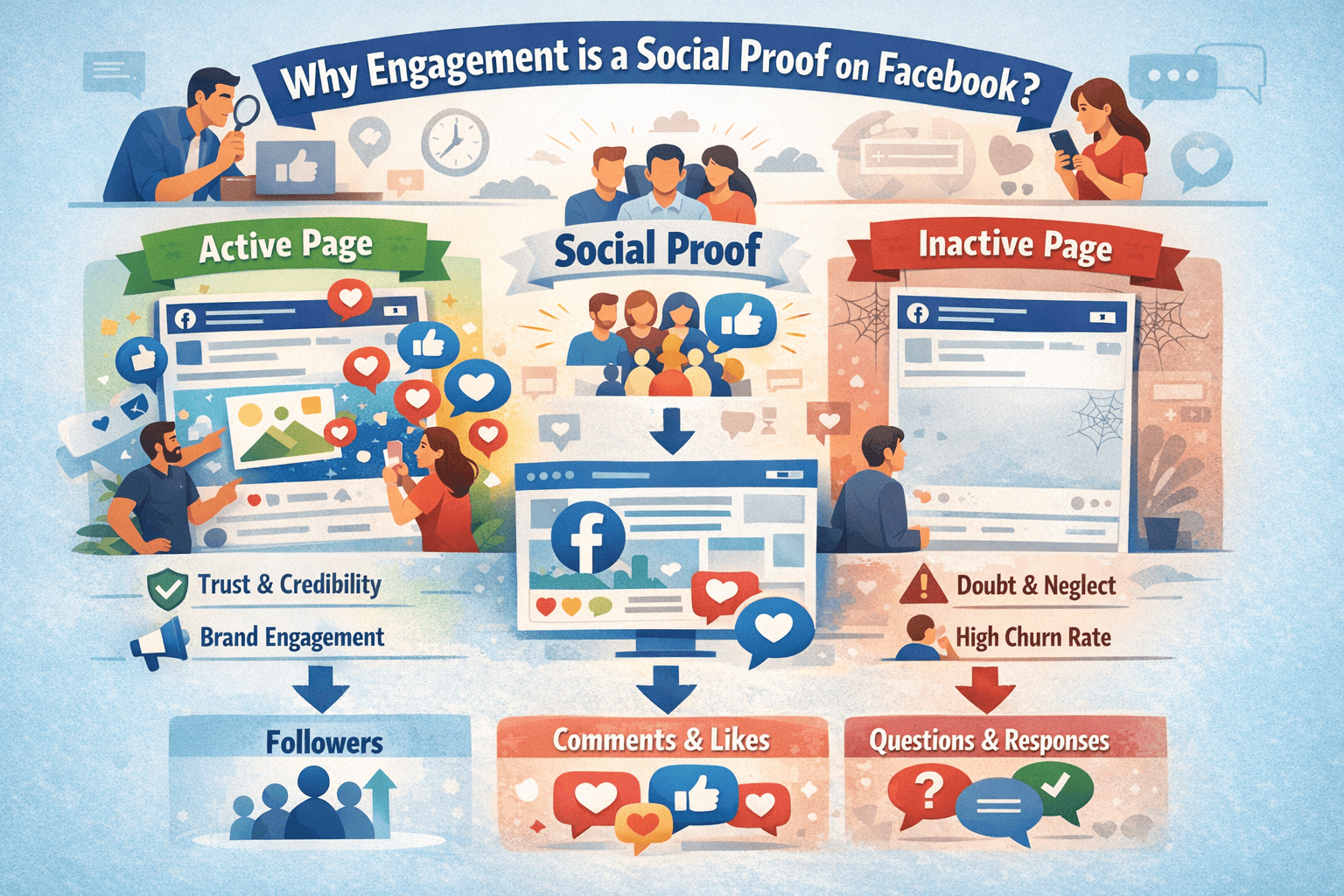
When a person gets to your Facebook page, they judge you within a couple of seconds. They see the latest posts, comments, and discussions to make a decision on whether your brand is active and reliable. This involvement serves as a form of social evidence. It silently informs guests that other individuals have previously interacted with your content.
A visitor will engage more with a page that sees a lot of activity. A quiet page is seen as an unproven signal, so it might have a high churn rate even if the content is great.
This aspect influences followers, remarks, and questions. Engagement is a social proof on Facebook and can reduce such reluctance. It gives the impression that the brand is present, responsive, and worth listening to. This trust builds up and aids organic growth with time.
What is the Role of Facebook Likes in Brand Growth?
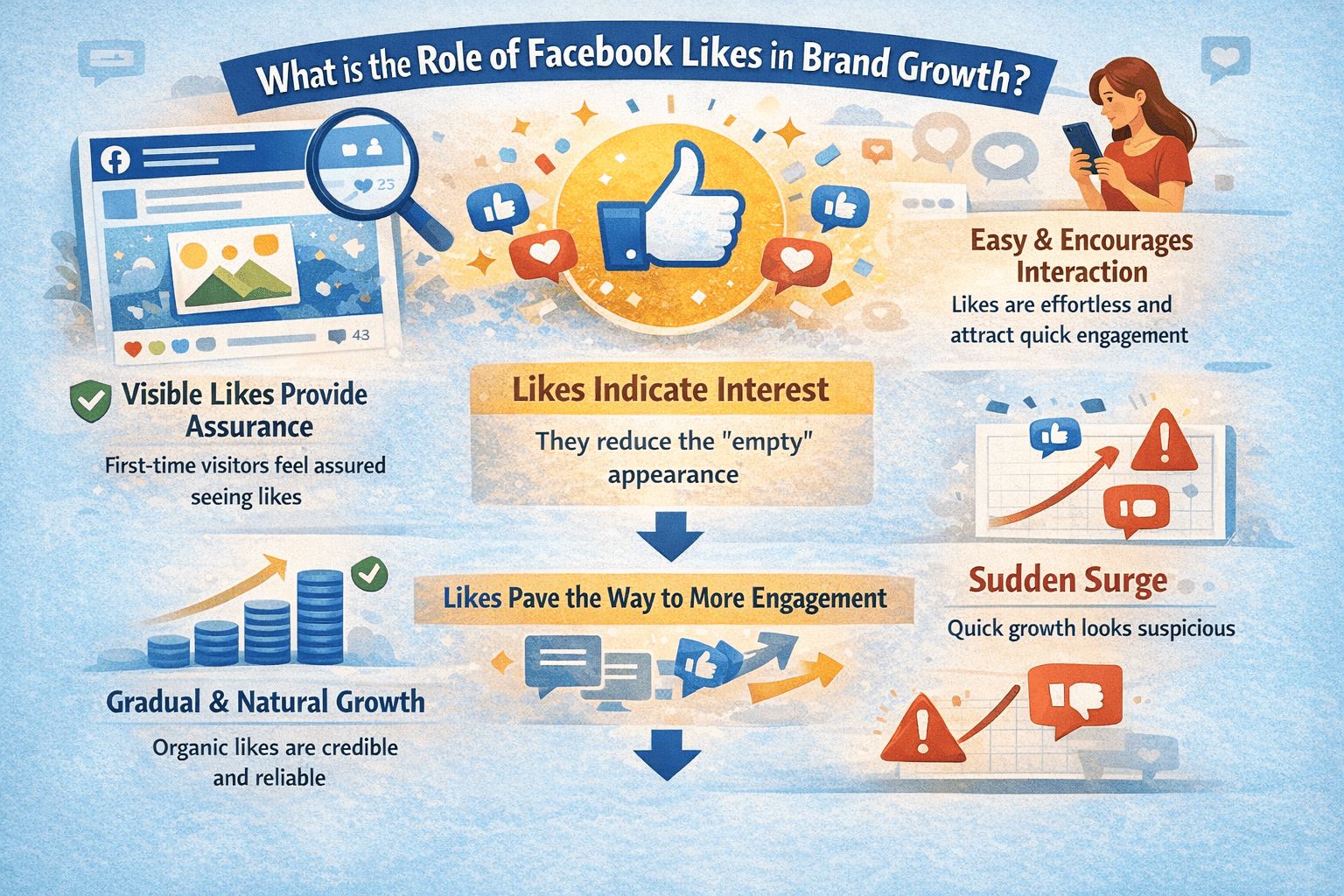
The most common interaction is a like. They require little effort, yet they count. A like makes other people realise that somebody liked the content or found it interesting enough to acknowledge. For first-time visitors, visible likes provide assurance.
Likes also assist pages to eliminate the early-stage issue of appearing empty. People are more comfortable getting involved when a page has constant and natural activity. But likes must be considered a start and not the end. They pave the way to even more in-depth interaction, such as comments and shares.
Likes tend to be credible when they are generated gradually and naturally. The appearance sudden surge in likes will look unnatural and lead to negative flagging by the platform’s algorithms.
The Strength of Shares in Reach and Credibility.
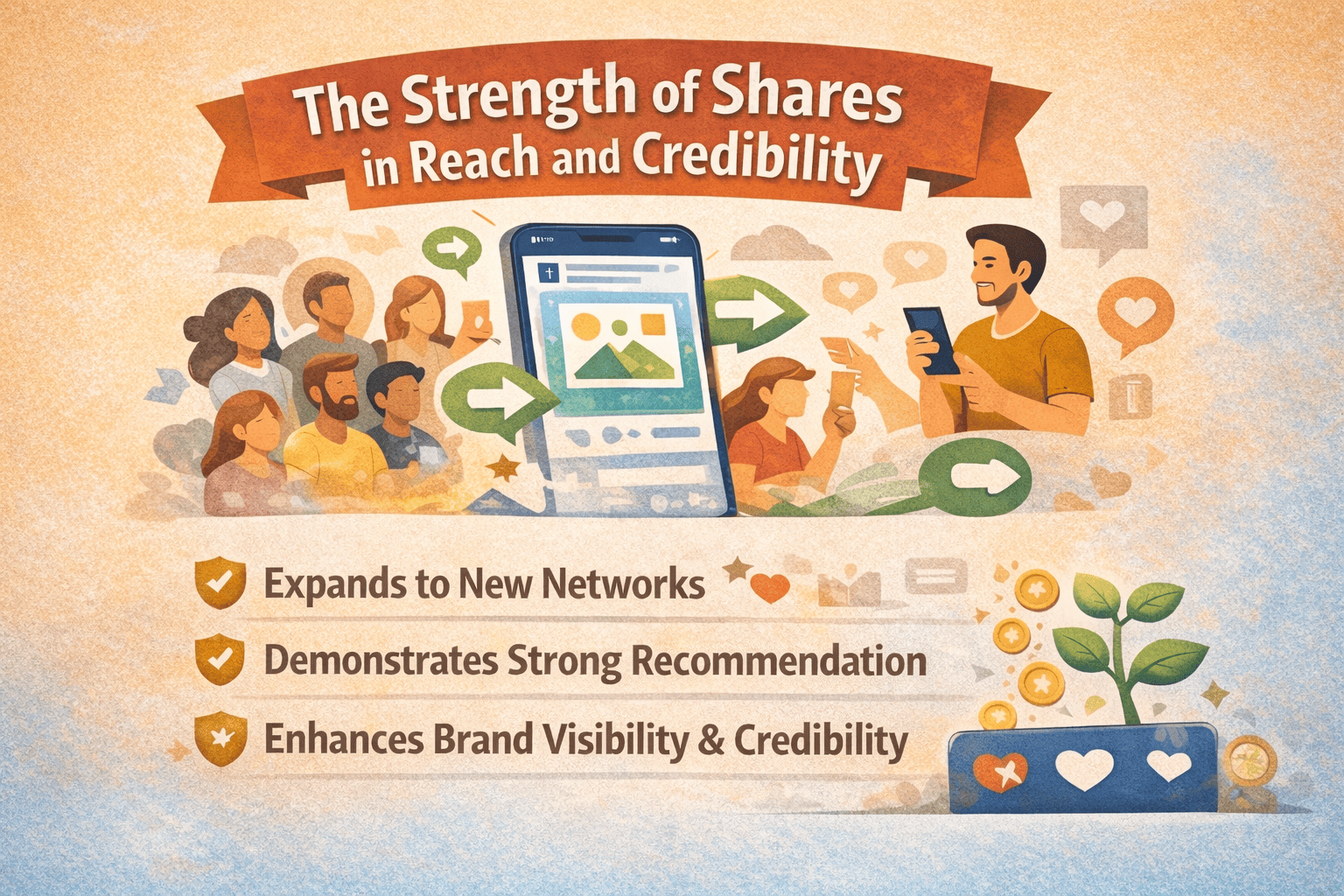
Shares of the posts and pages improve engagement and visibility tremendously. When someone shares your content, they convey that it is worth their time. This renders shares as one of the best forms of recommendation on Facebook.
Shared posts not only connect with your immediate audience but also naturally expand to new networks that have been outside your reach till now. This will enhance coverage without relying entirely on paid promotion.
Shared content tends to be familiar, useful or emotionally resonant. Shares also enhance credibility by increasing visibility. People assume the content has value when they share it. This is why more shares leads to more brand value on social media platforms.
How Comments Denote Actual Interaction?
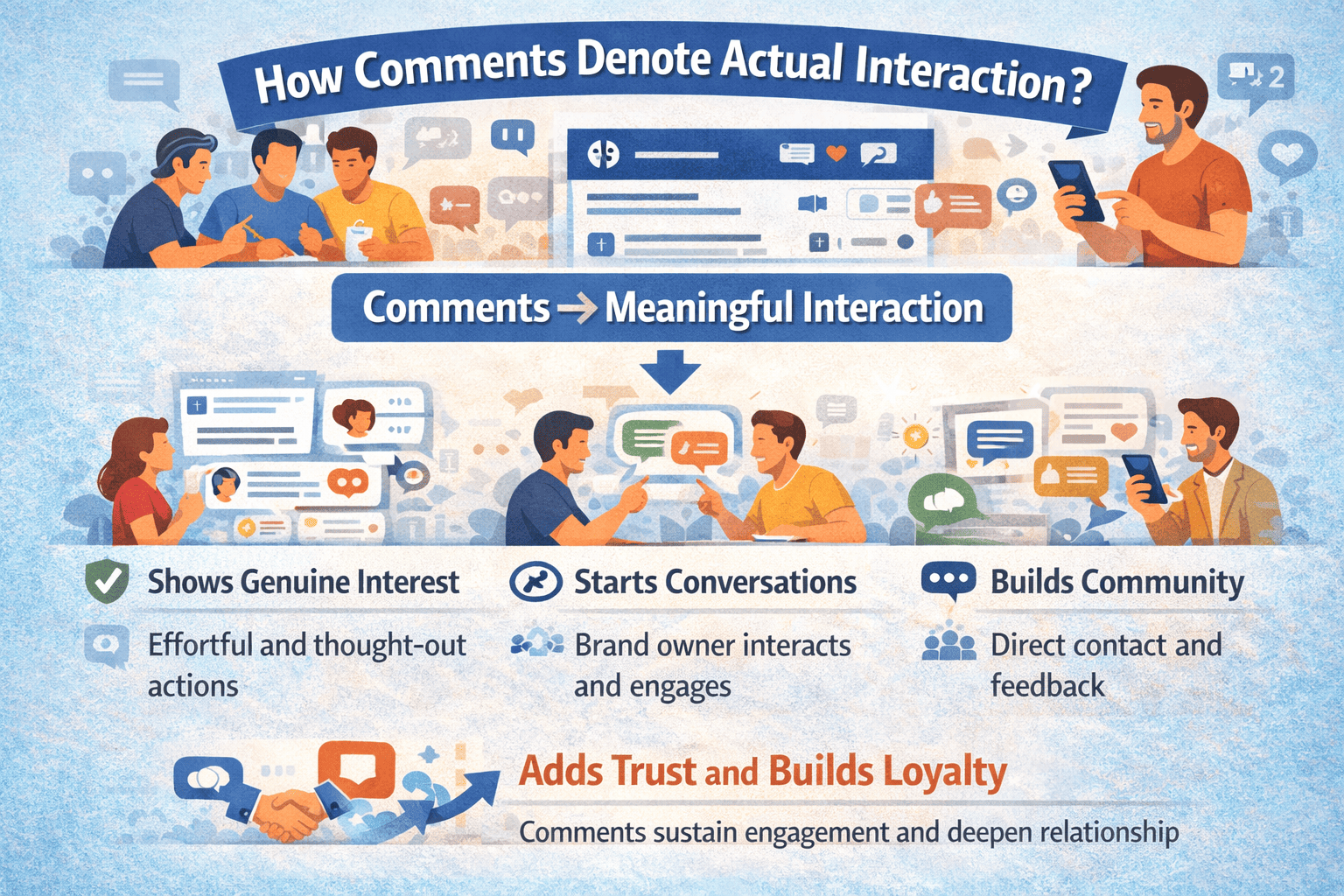
Comments on posts signal genuine interest. They require some effort thought and purposeful action. This is why Facebook considers comments as a formidable relevancy signal. Posts with active comment sections typically attract a larger audience.
Comments also create conversation loops. As a brand owner, you will see that Interest rises a lot when you respond, interact, or present follow-up questions. These interactions make the page alive and warm.
Comments are useful in building community for a brand. They enable direct contact, feedback and building relationships. In the long run, this transforms casual followers into loyal followers. Comments keep the engagement going, while likes initiate it.
What is the Role of Engagement in the Facebook Algorithm?
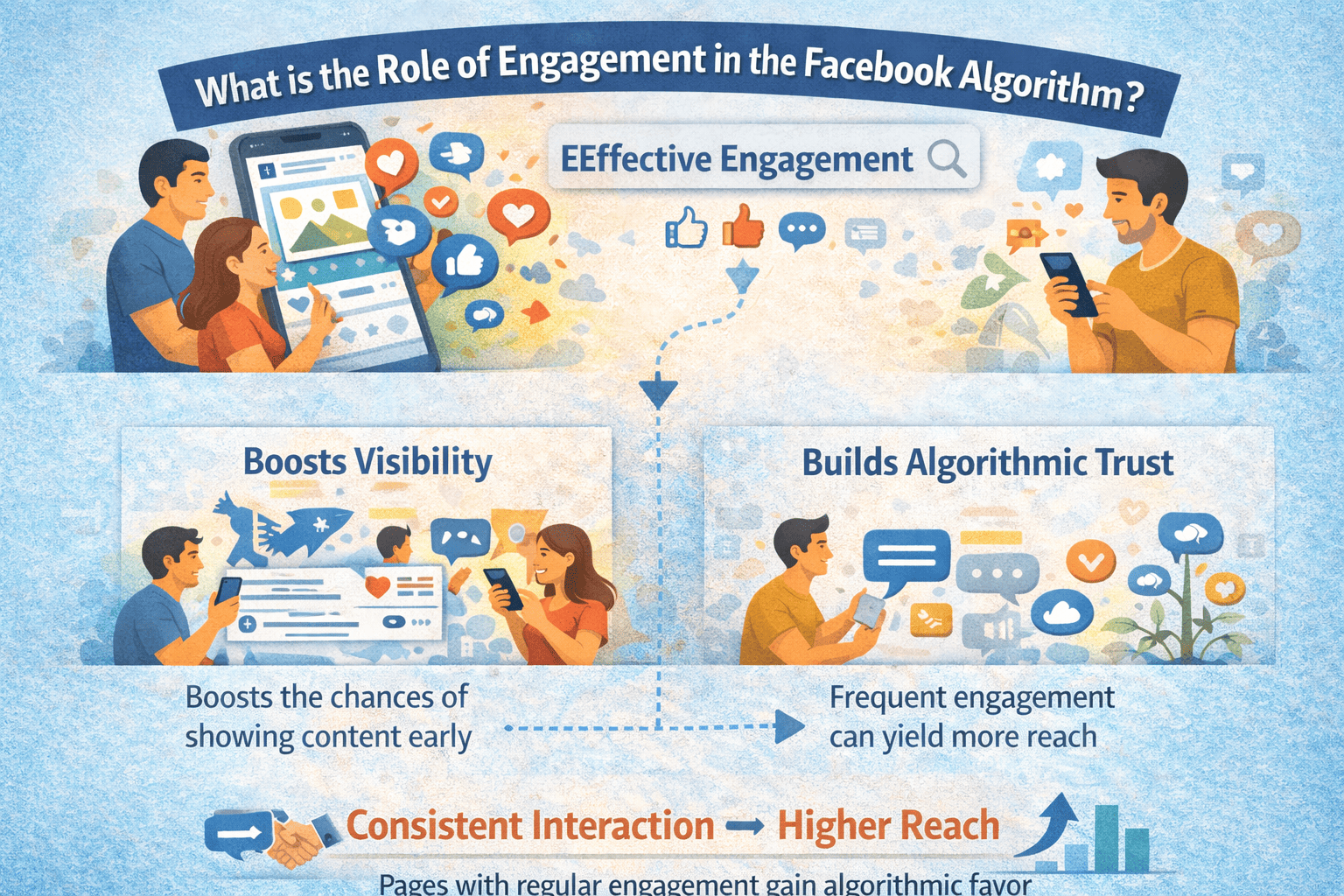
Facebook’s algorithm favours content that makes people stay on the platform. The likes, shares, and comments indicate that something is valuable to display to others within their network. Posts that have a high level of engagement early are more likely to be distributed.
This does not imply that all the posts that are engaged will become viral. Rather, it means that engagement augments the chances of being visible. Regular communication creates an algorithmic trust in the long run. Pages with frequent engagement would have a higher reach compared to those that are not visited.
The Relationship between Brand Perception and Engagement.
Interaction is a direct influence on the perception of a brand. People observe before they buy, follow or enquire. Involvement will assist them in making decisions on whether your brand is trustworthy or dangerous.
Engagement vs Brand Perception
| Engagement level | The Feeling that the Brand Radiates | Likely User Response |
| Prominent likes and responses | Real and authentic | Comfortable navigating on the site. |
| Frequent remarks | Credible and friendly behaviour | Greater possibility of communication. |
| Content sharing | Relevant or endorsed | Leads to better confidence. |
| No visible engagement | New or untested | Hesitation or exit. |
This is a perception that makes decisions quietly. Interaction also lowers the resistance and creates trust without the necessity of hard selling.
Using FB Post Engagement Services Responsibly
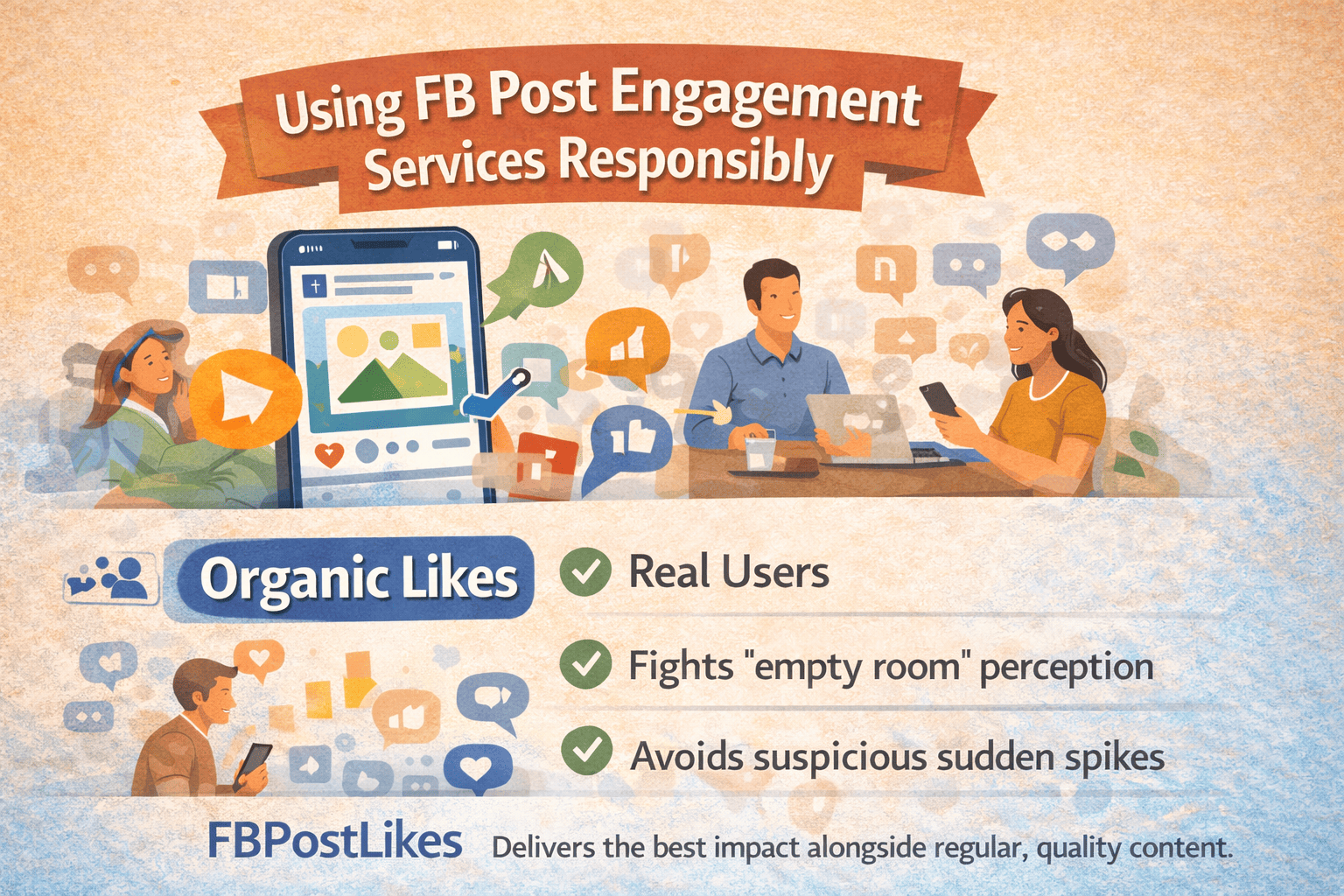
Engagement services are to be used as a support tool to gain initial traction without shortcuts. When used responsibly, they can assist the pages to get rid of the ‘empty room’ effect that puts real users off.
A service like FBPostLikes focuses on gradual organic activity as opposed to sudden spikes that can set off algorithm alarms. Our expertise helps pages appear busy in their live state, so that real people feel comfortable engaging. These services deliver amazing impact when combined with regular and quality content, instead of replacing content altogether.
To Sum it Up
Facebook likes, shares, and comments will always be significant, as they will affect trust, visibility, and perception. They make individuals make decisions about whether or not to engage your brand.
They also assist Facebook in determining whether your content is worth being shown to a broader audience.
Engagement using a reliable service like FBPostLikes is a basis of growth as it is approached patiently and responsibly. It promotes content, fosters engagement and creates long-term credibility. It takes time to grow a brand on Facebook, although with patience, presence, and credibility, it would be feasible to achieve it.
FAQs
1. Do Facebook likes matter in 2026?
That is correct. Likes act as social proofs that make pages appear active and credible. Though they cannot be considered the strongest engagement signal, they complement first impressions and prompt people to communicate further.
2. Do shares get more significance in growth than likes?
The outreach on social media shares is far more significant than likes. They provide better word-of-mouth benefits to users. However, shares usually precede a good number of likes. So, the ideal option is to focus on shares, but it will happen after trust is built through regular content and visible interaction with likes.
3. Why are comments considered to be high value engagement?
Comments show real interest in your posts. Facebook uses them as strong relevancy signals. They also help in forming conversation loops. this helps boost reach and develop a sense of community.
4. Is engagement sufficient to develop a brand on Facebook?
No, this is not the case. Engagement can induce growth but cannot substitute quality content. Also, you need to focus on consistency and responsiveness. This aspect is effective when it is a part of a larger content strategy.
5. Is it safe to use engagement services?
These services are safe if used in a responsible manner. Dependable services like FBPostLikes ensure gradual delivery and natural pace. These factors help retain brand credibility and avoid being flagged by the algorithms for suspicious activity.
6. How long does it take for engagement to influence brand growth
Most brands see improvements gradually over weeks or months. Brands prefer earning trust over time and hence be patient and consistent to realise significant returns.